
Question
Why does a challenge stop?
Everyone finishes the six months. What is hard is afterwards. We want to know what separates those who keep going.
A conviction does not reach society by being spoken.
It leaves you only when it takes a form someone else can pick up and use.
The Matsuo Institute writes down what the three businesses have taught us, as procedures that can be repeated.
How we select and develop, how we bring companies together, in what order we refine people and place them. What worked and what failed usually had a reason.
What ran on individual judgement becomes a sequence with stated criteria.
Only then can anyone else use it.
The finished method becomes teaching material, a blueprint for a joint venture, a talk or an essay.
We write it to hand over, not to keep.
The subjects we are currently writing down as procedures. As each is finished it leaves as teaching material or as a blueprint.
Everyone finishes the six months. What is hard is afterwards. We want to know what separates those who keep going.
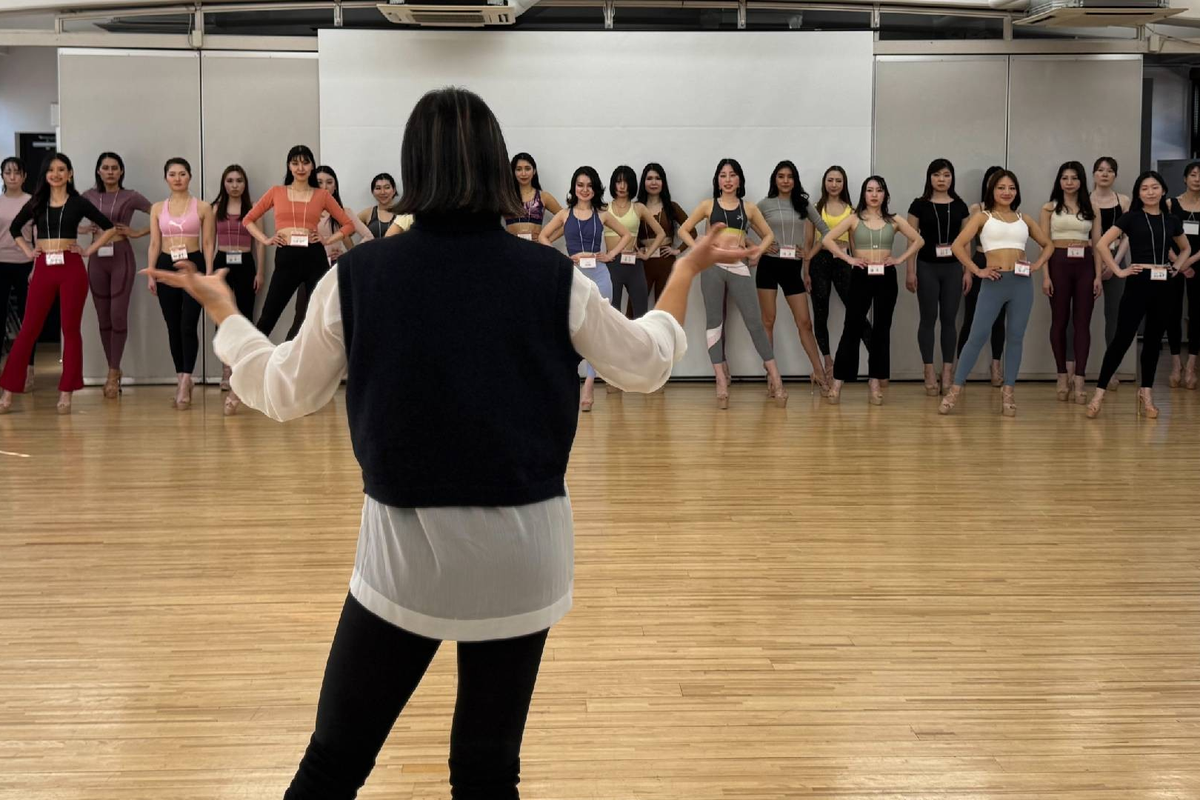
We run a pageant for ages 18 to 30 alongside one for 31 to 50. On the same stage, what differs and what does not?
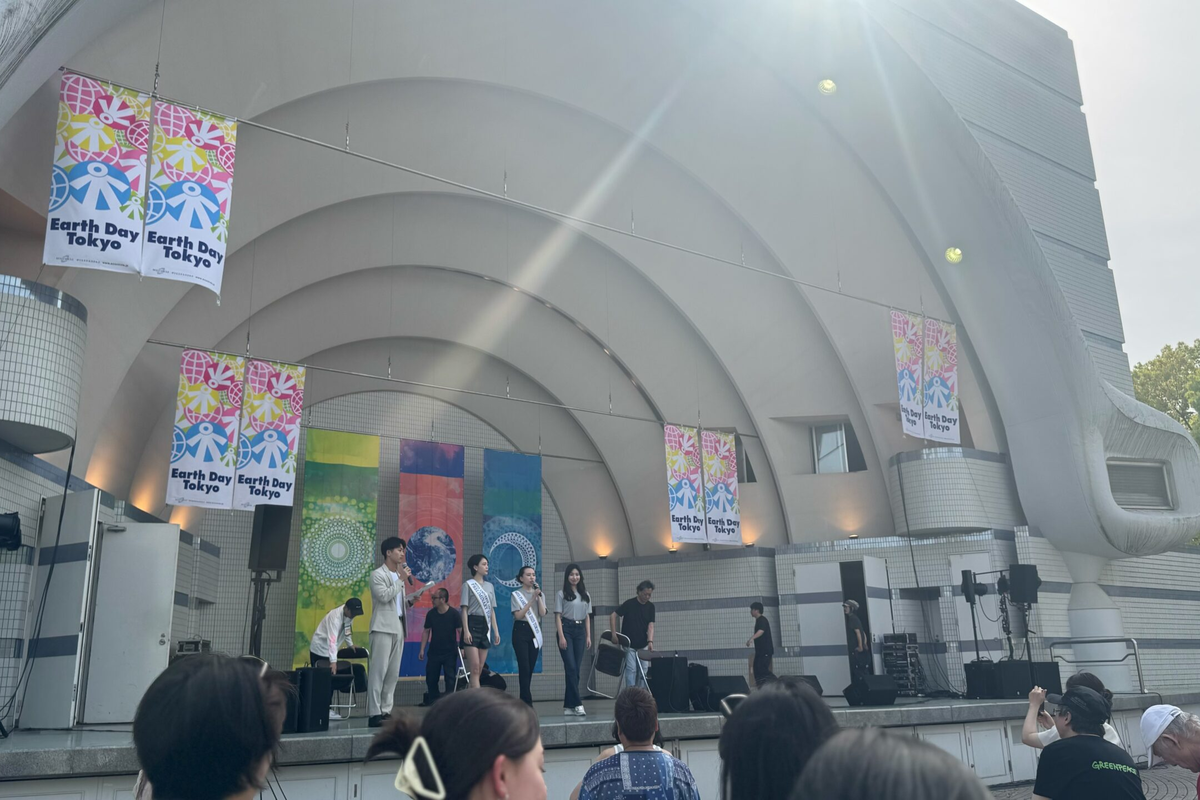
We refuse to treat sponsorship as donation because the purpose blurs. So what use leaves something on both sides?
Two events of the same size: one leaves nothing, the other thickens. We want to name the branch point.
Job creation there, personal challenge here. They look unrelated; we suspect one structure covers both.
Staying with us is not the only success. Growing somewhere else should count too.
A method comes from decisions someone actually made on the ground. Averaged into a company view, the texture of those decisions is lost.
The name records whose experience it was written from.

We are glad to hear from you about: